

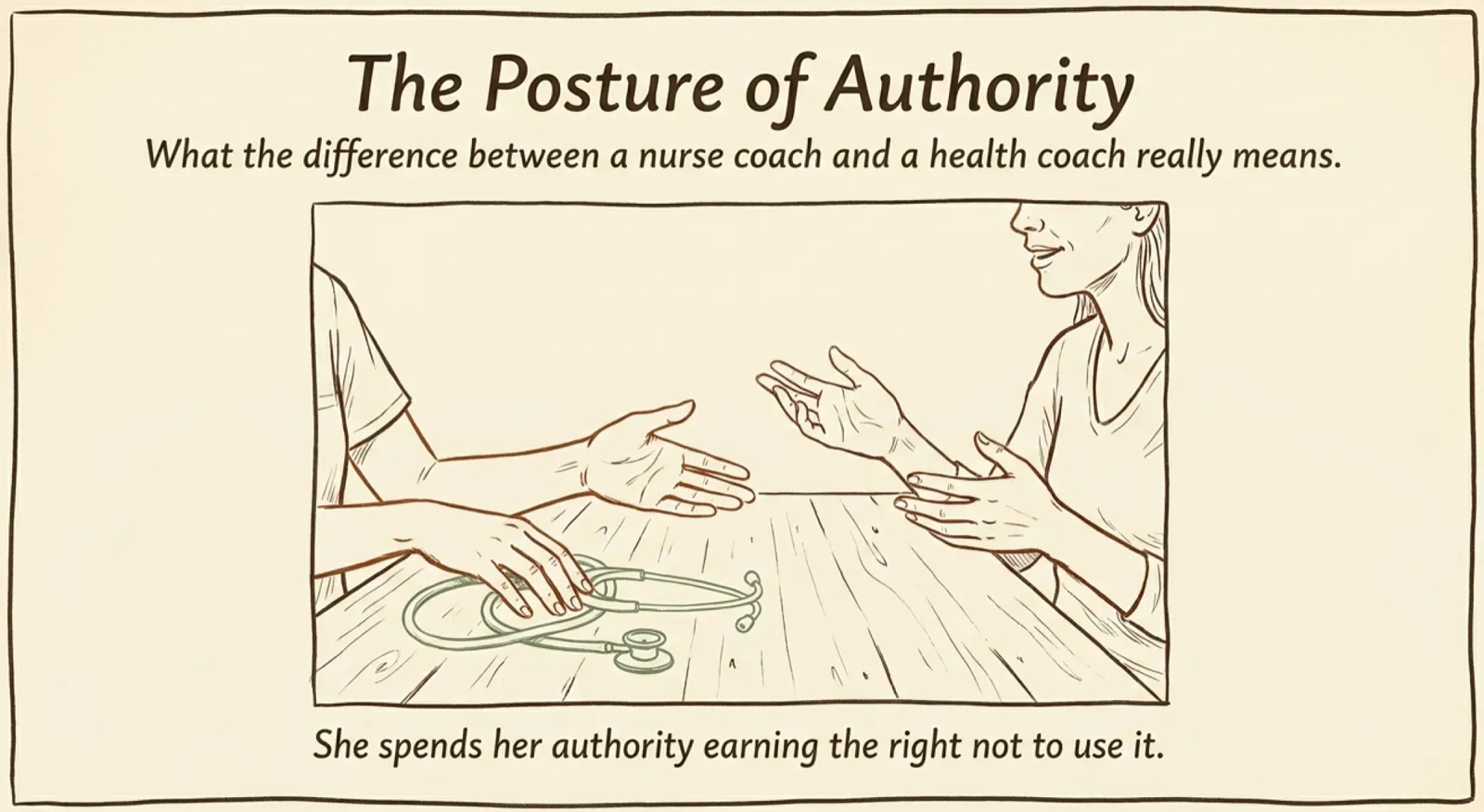
Nancy Zamil has been a registered nurse for more than thirty years, primarily in hospice and home care, the parts of nursing where there is often nothing left to fix and the whole job is to be present. For the last three years she has run a holistic nurse coaching practice. So when she told me what surprised her most after she started coaching, I expected something about the business. It was not about the business.
“I am surprised each time to find out that they are not doing the coaching that I learned,” she said, talking about other coaches. “They are telling people what to do. And the way that my coaching program ran is the patient client is in charge. You ask the questions to unlock their answers.”
I had come to the conversation with the same question most people type into a search bar: what is the difference between a nurse coach and a health coach? I left understanding it as a question about two different kinds of service. The difference everyone writes down is the credential. The one Nancy kept returning to was quieter: the posture she brings to the room, and the clinical grounding underneath it.
The answer the internet gives you
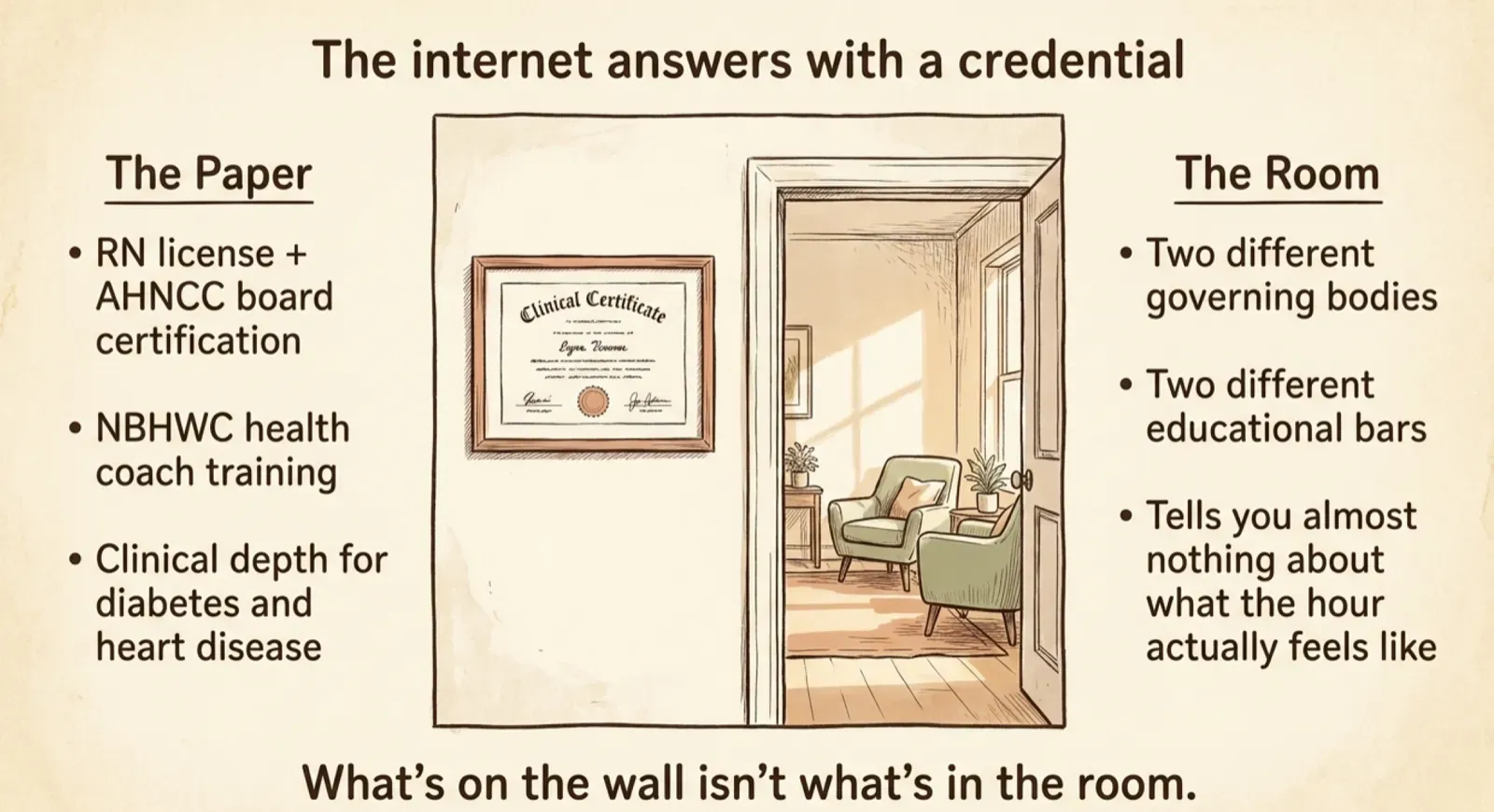
Search the question and the results line up fast, because the people who publish them sell the training. A nurse coach is a registered nurse with additional coaching certification. A health coach can come from nutrition, fitness, psychology, or a weekend course. The nurse coach has clinical training, can read a chart, understands medication and chronic disease, and works holistically across mind, body, and spirit. The health coach, the pages imply, works on one slice of that and cannot assess.
Most of this is true. A nurse coach does carry clinical depth a non-clinical coach does not, and that depth matters when a client is managing diabetes or heart disease alongside the behavior change. The credentialing is real: the Nurse Coach board certification through AHNCC sits on top of an active RN license and a holistic-nursing scope, the same way the NBC-HWC credential through NBHWC sits on top of an approved health-coach training. Two different bodies, two different bars.
So the credential answer is correct. It is also the least interesting part of the answer, and it is the part that tells a person almost nothing about what an hour with either one actually feels like.
The difference Nancy actually names
Here is the thing the cert pages do not say, because no curriculum can promise it. A program can teach the posture. It cannot guarantee that anyone, in any kind of coaching, actually holds it.
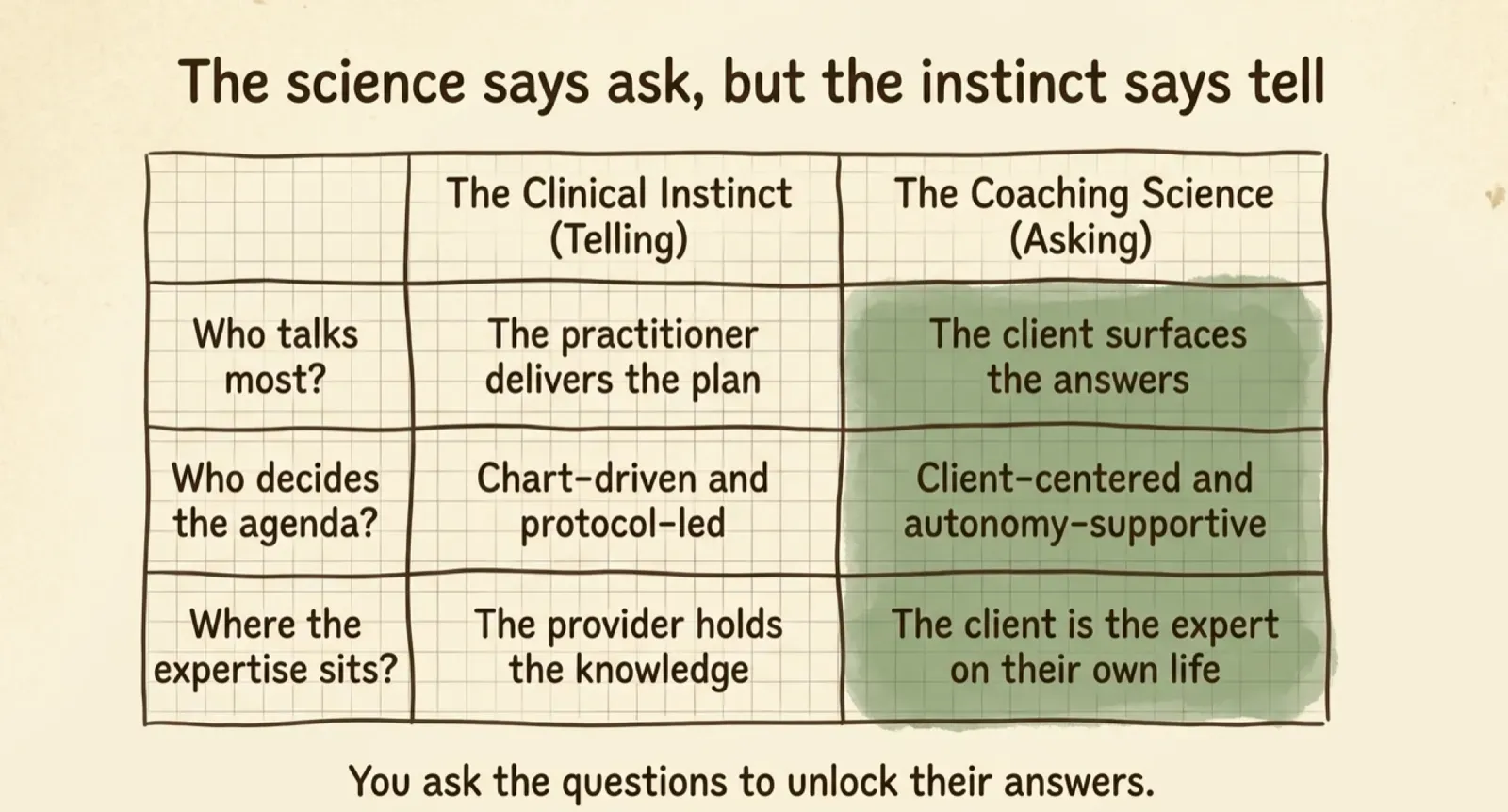
Nancy was trained, through the Nurse Coach Collective, in non-directive coaching: the client holds the answers, the coach asks the questions that surface them. What surprised her was how easy it is, in any helping role, to slide the other way. Defining. Advising. Handing over the plan. The pull toward telling is not a health-coach problem or a nurse-coach problem. It is the gravity of every profession built on knowing things. The form says coaching. The posture quietly becomes consulting.
“There is a big difference between a health and wellness coach and a nurse coach,” she told me. When I asked her to put the nurse-coach part into words, she did not reach for the credential. She reached for a stance: “I think it’s a nursing process. And the fact that nurses for the past 20 years have been rated as the most trusted profession.” Nurses have, in fact, topped Gallup’s honesty and ethics ranking for more than two decades, longer than any other profession on the list. Nancy treats that trust as something to be careful with, not something to spend.
Then she said the line that reorganized the whole conversation for me:
“I’m not an expert in anything else. I have the ability and education to coach on anything because the client is the expert.”
Read that twice. The clinically trained one in the room, the nurse with three decades of medical knowledge, is telling you her power comes from not being the expert. The expertise gives her the judgment to know what is safe and when to refer out. It does not give her the right to drive. The client drives.
This is the move the textbook describes and the hardest one to hold onto under pressure. The evidence base for health coaching describes it as client-centered and autonomy-supportive; the Compendium of the Health and Wellness Coaching Literature catalogs trial after trial built on the client setting the agenda. Then a coach gets nervous, or wants to feel useful, or just knows the answer, and the pull to tell creeps back in. The science says ask. The instinct in the room says tell. Closing that gap is the daily craft of coaching, whatever is on your wall, and it is the gap Nancy is most deliberate about.
What does a nurse coach do, then
If the work is not directing, it is fair to ask what fills the hour.
The first thing a nurse coach does is build a room the client is safe to be honest in. Nancy puts it in writing before the coaching starts. “That’s in my consents for coaching, just so they know that they’re in charge and it’s a safe and non-judgmental container. And in my coaching program is you don’t have to answer if you don’t want to.” Consent is not a formality she gets out of the way. It is the design of the relationship, stated up front, so the client knows the boundaries of the room before they say anything that costs them.
Inside that room, the client steers. “The client is in charge,” she said. “If they need more coaching on one aspect, then we stick on that. If they want to move forward, we stick on that. If they don’t want to answer questions, we move on.” There is no plan being administered to a person. The person and the coach together co-create the plan of care. There is a person, and a conversation that bends to where the person is.
And the holistic part, the word that does the heavy lifting in every nurse-coach description, turns out to be concrete in her hands, not mystical. “Being a holistic nurse is to be able to incorporate other healing modalities such as breathwork, meditation, reiki, which just enhance and help people break those barriers down.” Her free community classes, the ones she teaches at the senior center on stress reduction and lifestyle change, are where most of her clients first meet her. “Holistic care, which is alternative and complementary along with the traditional. That works best.” Traditional and complementary, held together, by someone with the clinical training to know where the line is.
Can a nurse be a health coach
This is the question underneath the question, and a lot of nurses are asking it right now, usually after years at the bedside that left them wanting two things bedside nursing rarely allows: more time with the person in front of them, and room to teach prevention instead of only managing the crisis.
Nancy has built her practice around exactly that. She still keeps paper notes instead of a laptop, on purpose, because “having the computer and the screen up just puts a barrier right there to the communication.” She would rather be fully present with the person than half behind a screen. And when I asked what she is ultimately after, the answer was not clinical, it was educational: “I want people to be able to have the tools to take care of themselves.” That is the nurse who went into the work to teach, finally with the time to do it.
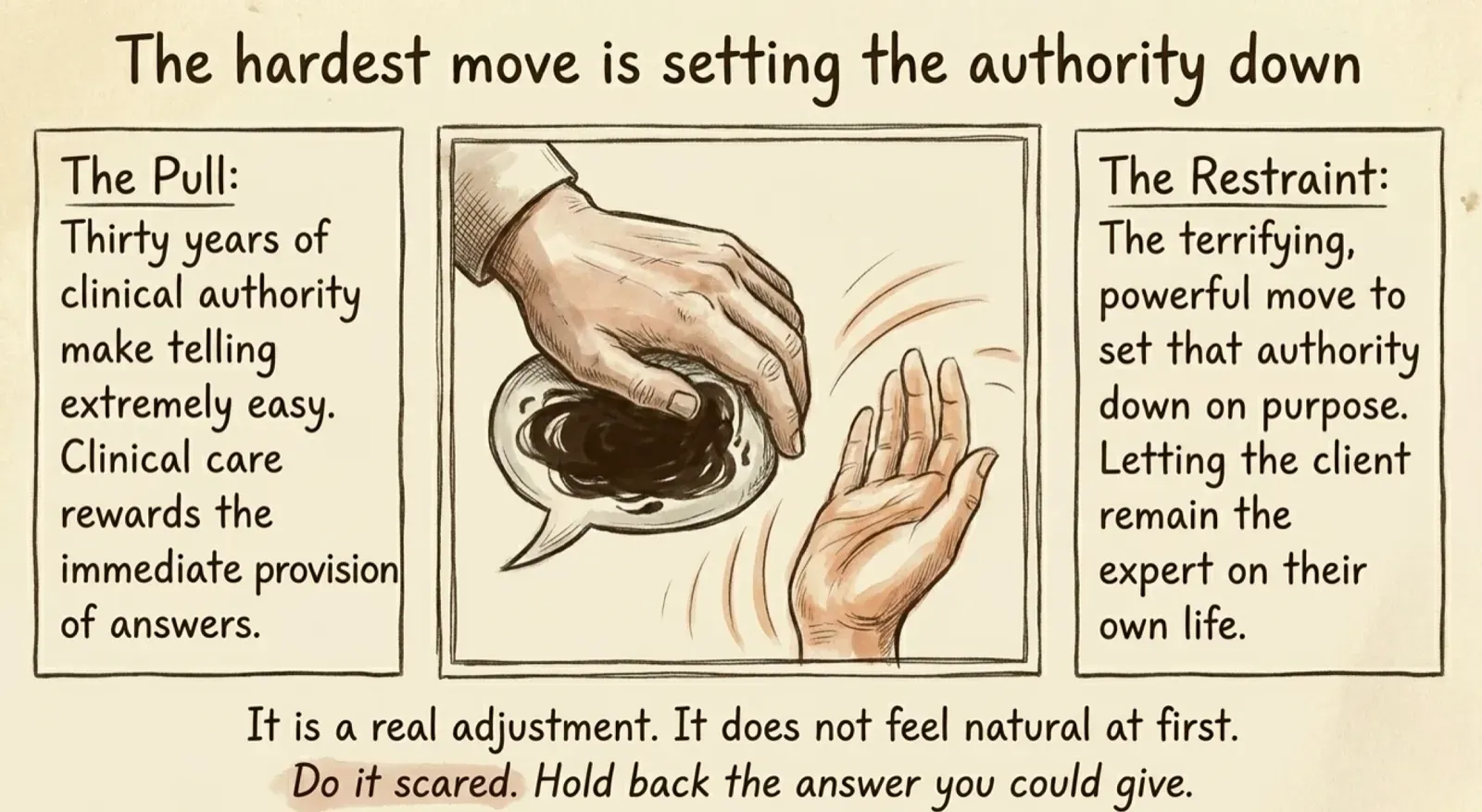
The literal answer to the question is yes. A nurse can train and certify as a health and wellness coach, or as a nurse coach specifically, and many do. But Nancy’s distinction reframes what the nurse is actually deciding. The choice is not which certificate to hang on the wall. The choice is which posture to practice. Three decades of clinical authority make the telling posture extremely easy to fall into, because telling is what so much of clinical care rewards. The harder, and in coaching the more powerful, move is to set that authority down on purpose and let the client be the expert on their own life.
The difference that isn’t on the certificate
That adjustment is harder than it sounds. For someone with thirty years of clinical authority, the most difficult move in coaching is the smallest-looking one: not answering. Not fixing. Sitting with a person who is stuck and trusting that the right questions will take them further than your expertise would. Every instinct the bedside trained says step in. The coaching says wait.
Nancy has a phrase for doing the frightening thing anyway, one she picked up in her training. “Do it scared,” she said. “A lot of people are afraid to go out of their boxes, afraid what everybody will say, and the anxiety in their gut would take over. But do it scared and see what happens. Get out of your box.” She meant it about anyone facing a change, and it lands hardest right here, on the nurse learning to hold back an answer she is fully qualified to give. The reframe underneath it is the one she lives by: “It’s an opportunity for growth. It’s not success and failure. It is opportunity for growth.”
So the difference between a nurse coach and a health coach is partly the credential, and the search results are right about that much. A nurse coach brings clinical grounding a non-clinical coach does not, and that is a real difference in the kind of service, the thing to weigh when you decide which one fits what you need. But the part that decides what the hour actually feels like is not on anyone’s certificate, and it is not owned by either title. It is who gets to be the expert in the room. The best coaches of every kind spend their authority earning the right not to use it. Nancy carries three decades of clinical authority into that same restraint. The credential says she could tell you what to do. The coaching, hers and any good coach’s, is everything she does instead.
Quotes are from a June 2026 conversation with Nancy Zamil, lightly edited for length and clarity, and shared with her review.
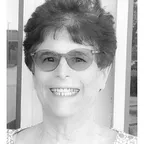
Nancy Zamil is a holistic registered nurse with a background in hospice and home care, a reiki master and a board certified nurse coach. Reach her at nancy@nlzcoaching.com or 434-207-2396.
Founder of Grove. Twenty years building software for skilled professionals. Currently writes mostly on Tuesdays from a small studio in Austin.